Buy Polar Bear Rug
Original price was: $3,800.00.$3,500.00Current price is: $3,500.00.
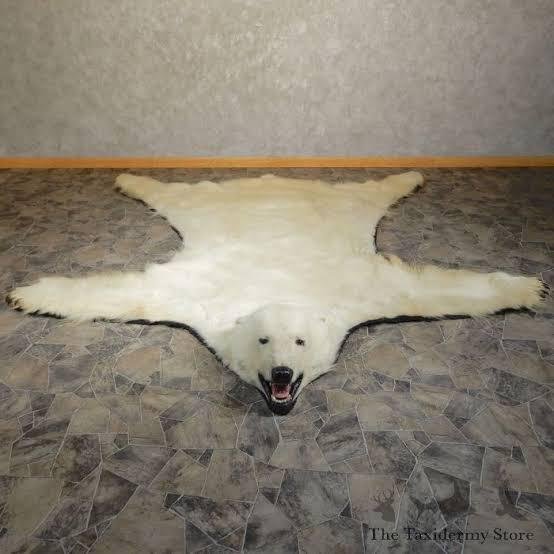
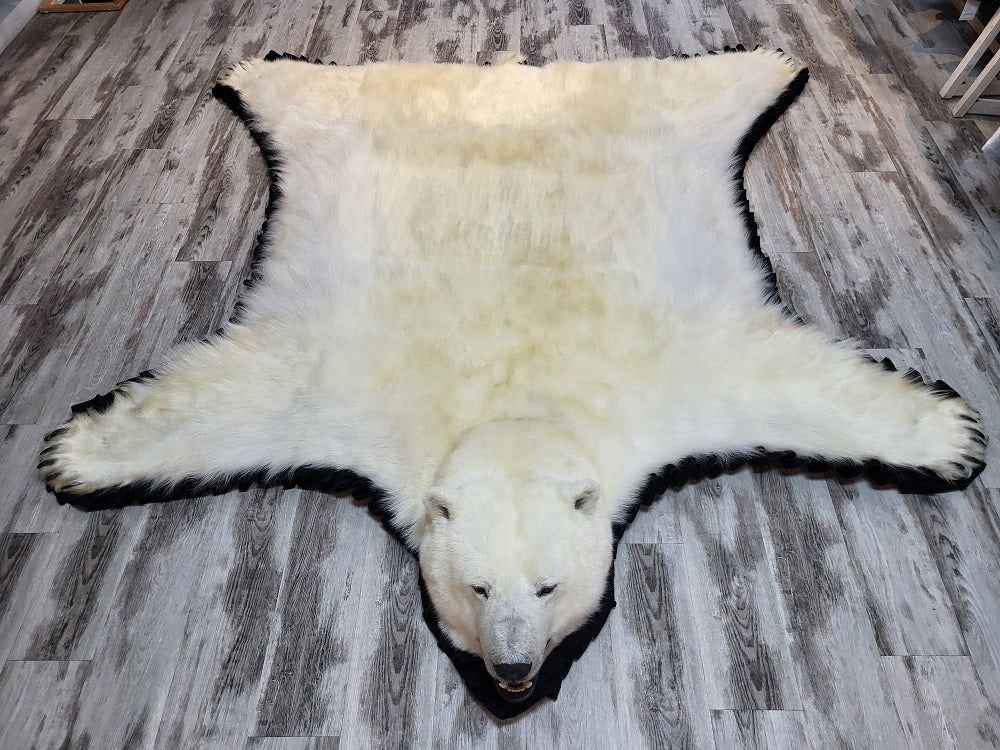
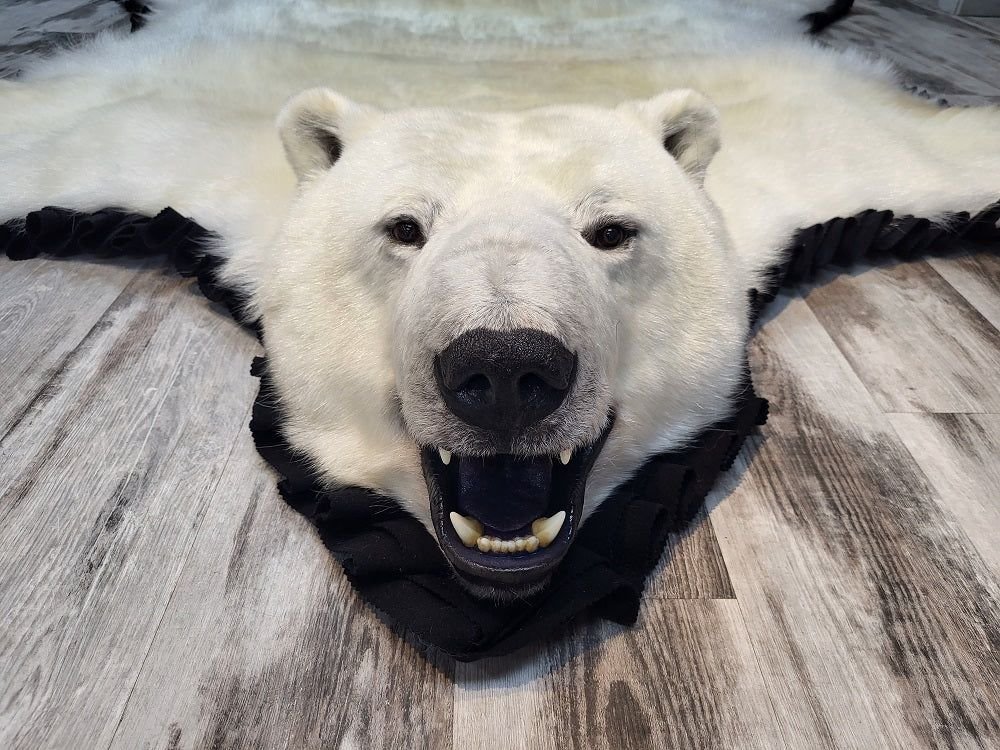
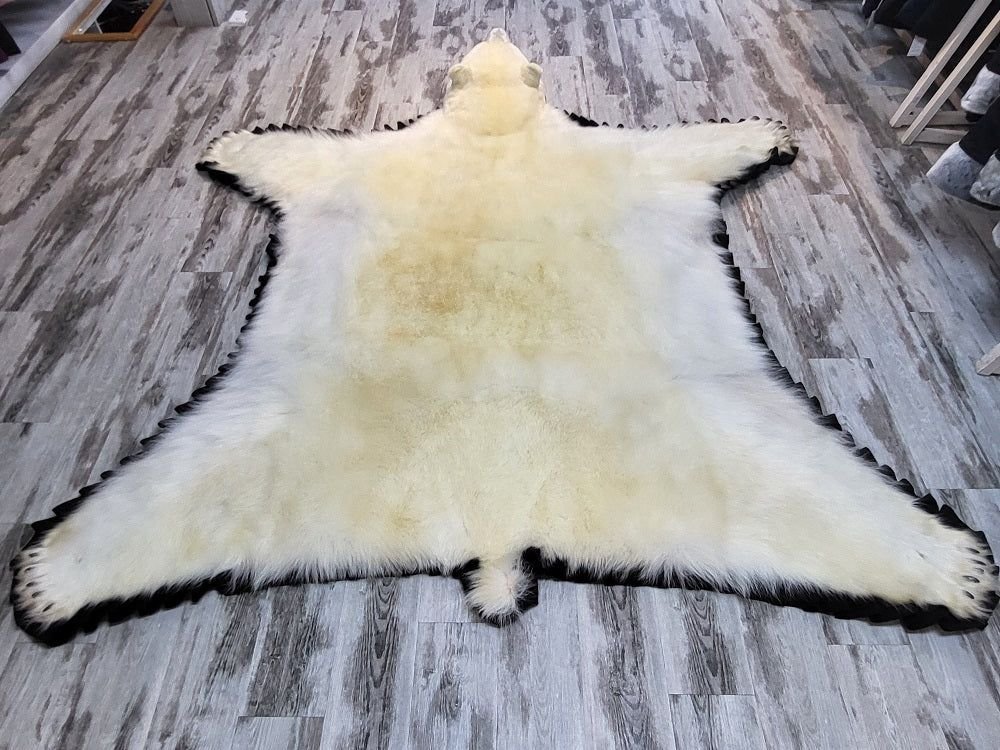
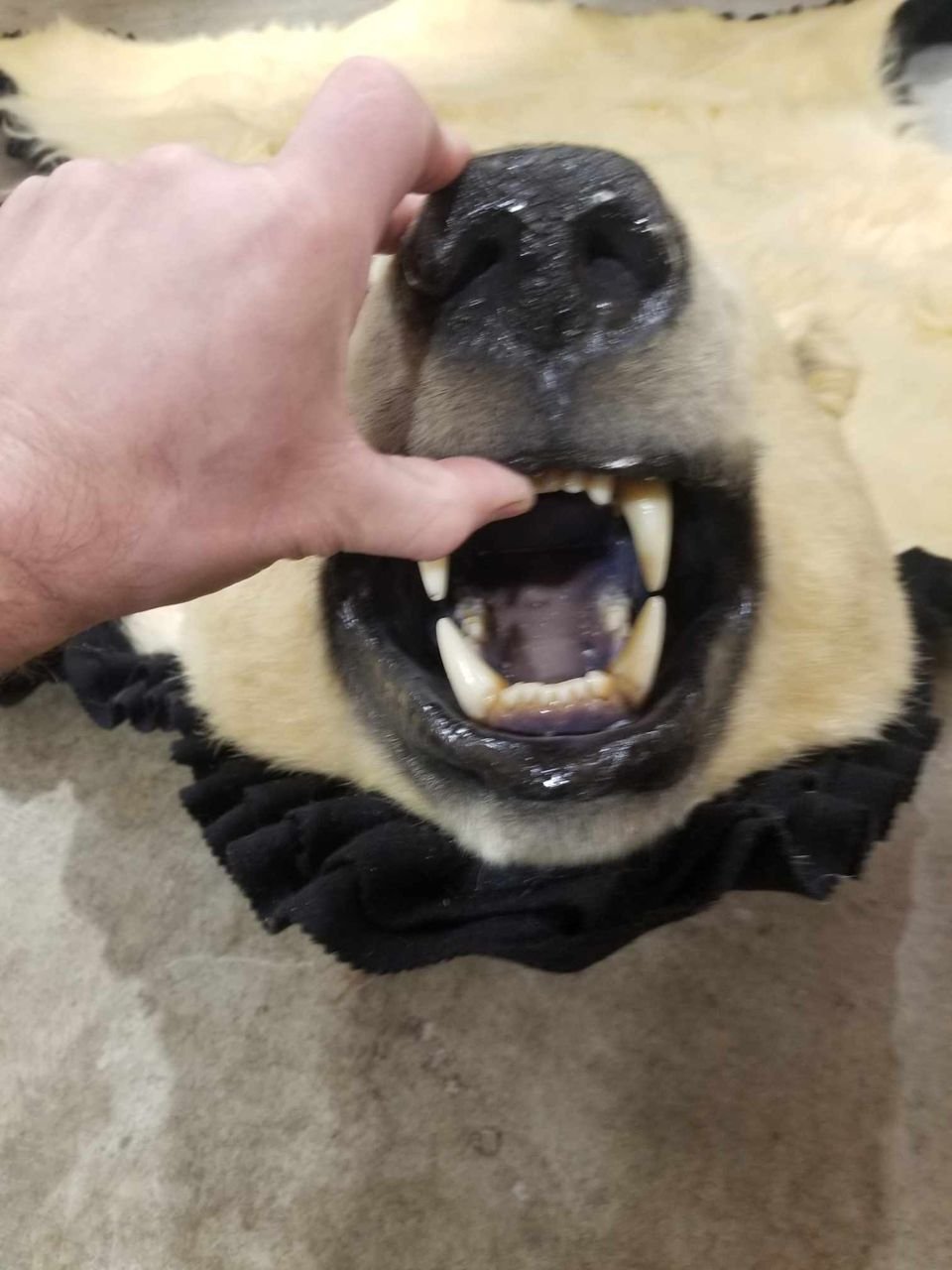
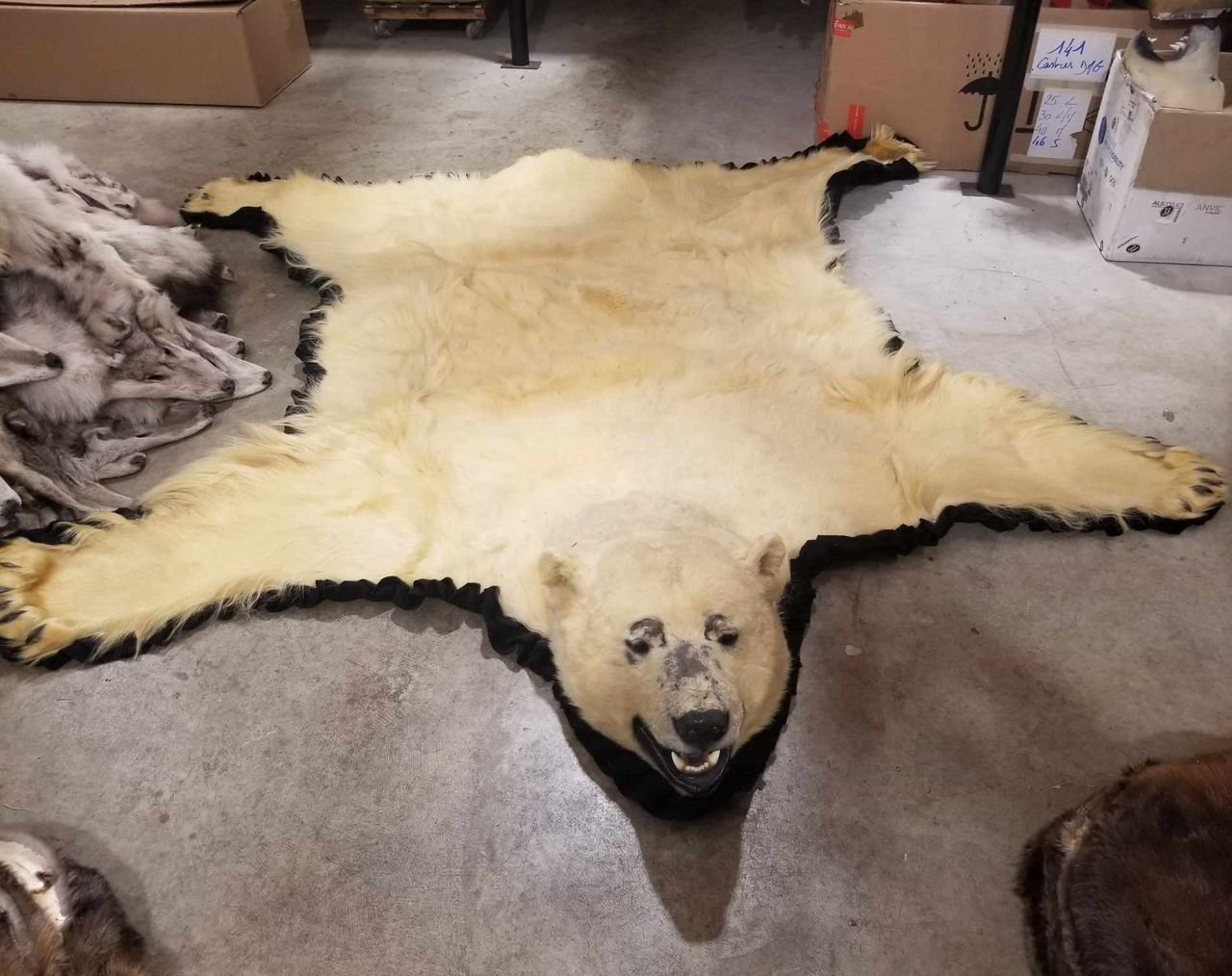
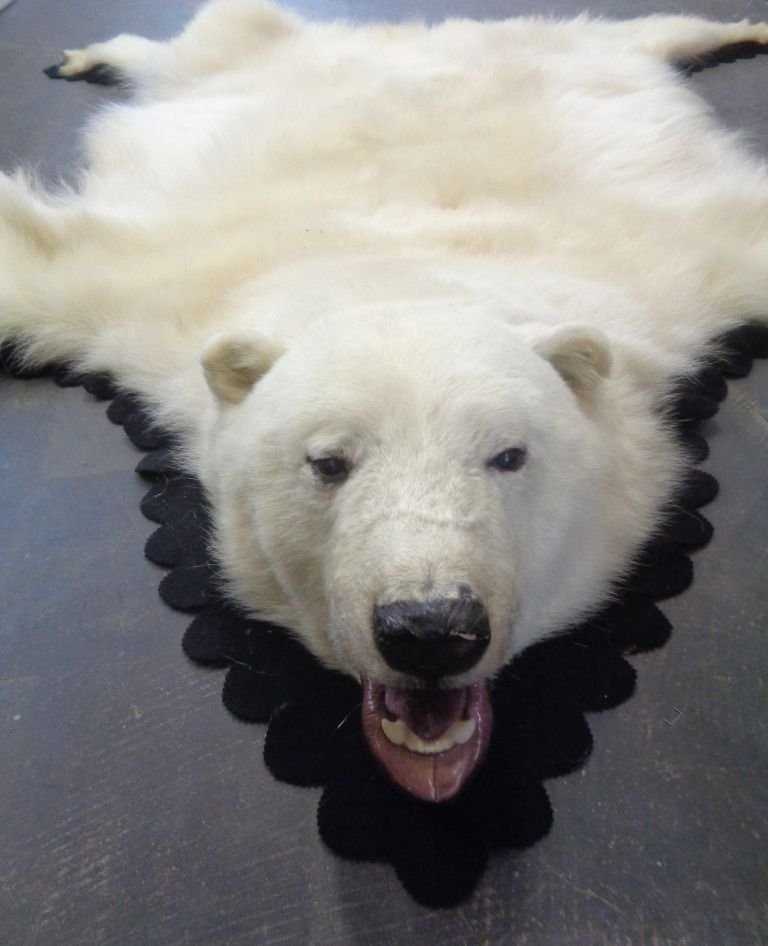
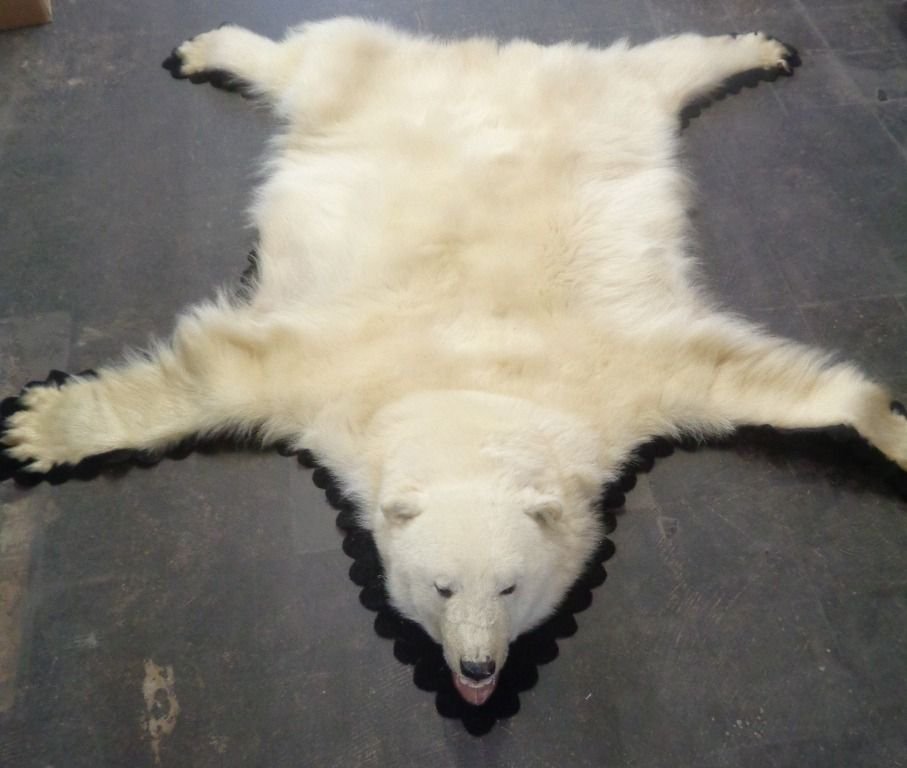
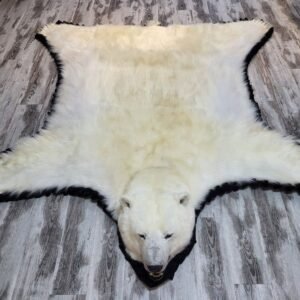
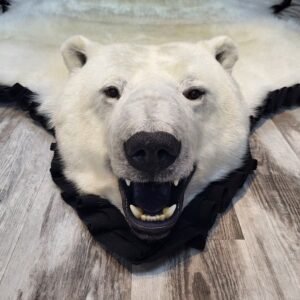
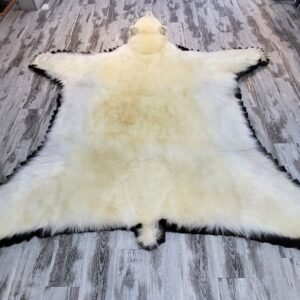
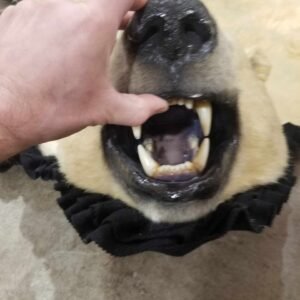
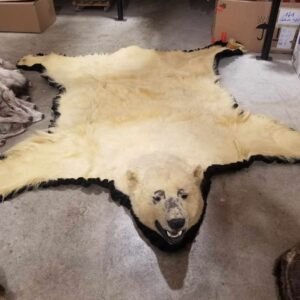
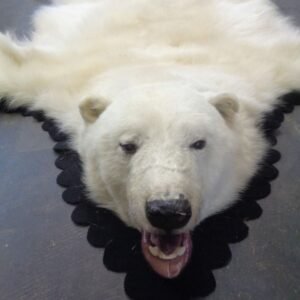
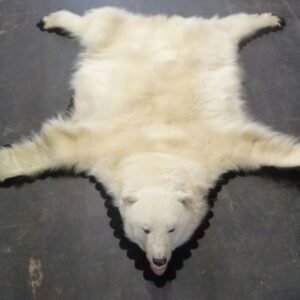
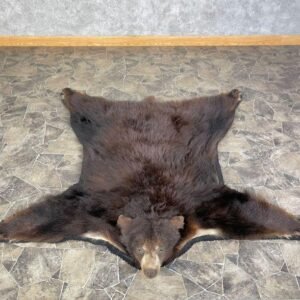
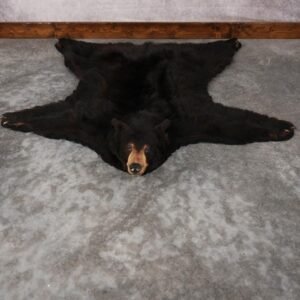
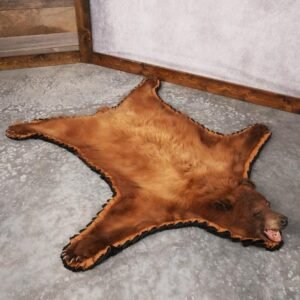
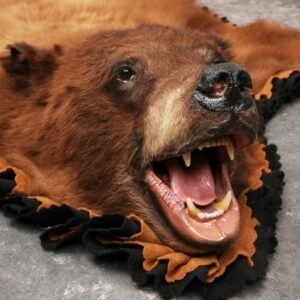
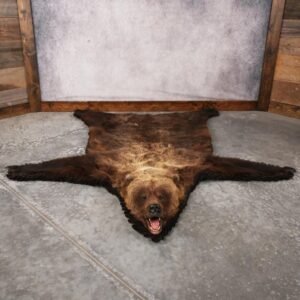
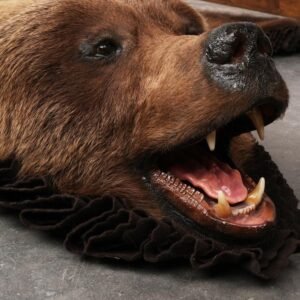
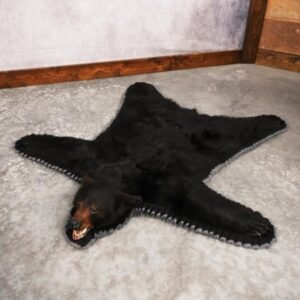
This Elite-level taxidermy mount is a 7–9 foot polar bear rug featuring thick, translucent fur and an anatomically precise raised head with a realistic open-mouth expression. Finished with a professional double felt border and durable corduroy backing, this rare specimen is legally compliant with the Marine Mammal Protection Act of 1972.
The Polar Bear Rug stands as the undisputed pinnacle of the taxidermist’s craft, representing a masterful fusion of biological preservation and anatomical artistry. As the world’s largest terrestrial carnivore, the Ursus maritimus possesses a coat uniquely adapted to the extreme conditions of the High Arctic, making it one of the most prestigious acquisitions for elite interior spaces.
A professionally mounted Polar Bear Rug serves as a striking centerpiece, but its true value is inextricably linked to the quality of the initial taxidermy and the ongoing rigor of its curation. Whether displayed in a grand mountain estate or a modern corporate gallery, this specimen offers a visual and tactile experience that is unparalleled in the world of natural luxury.
Morphological Characteristics of Polar Bear Fur
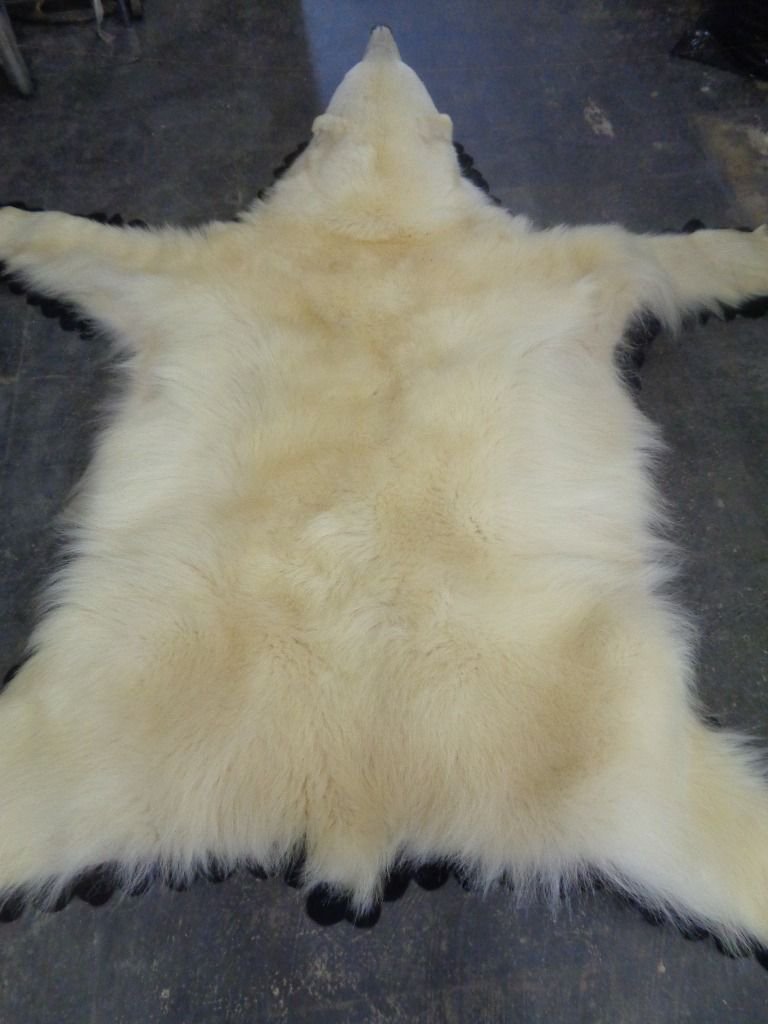
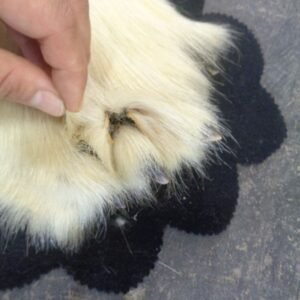
To understand the value of a polar bear rug, one must first appreciate the unique properties of its fur. Contrary to popular belief, polar bear hair is not white; it is translucent and hollow. These hollow guard hairs reflect and scatter light, making the bear appear white or creamy yellow, which provides essential camouflage in a snow-covered environment. This structure also acts as a highly efficient insulator, trapping heat close to the skin.
| Feature | Biological and Physical Property | Source |
| Hair Structure | Translucent, hollow guard hairs over thick underfur. | |
| Skin Color | Solid black (aids in solar heat absorption). | |
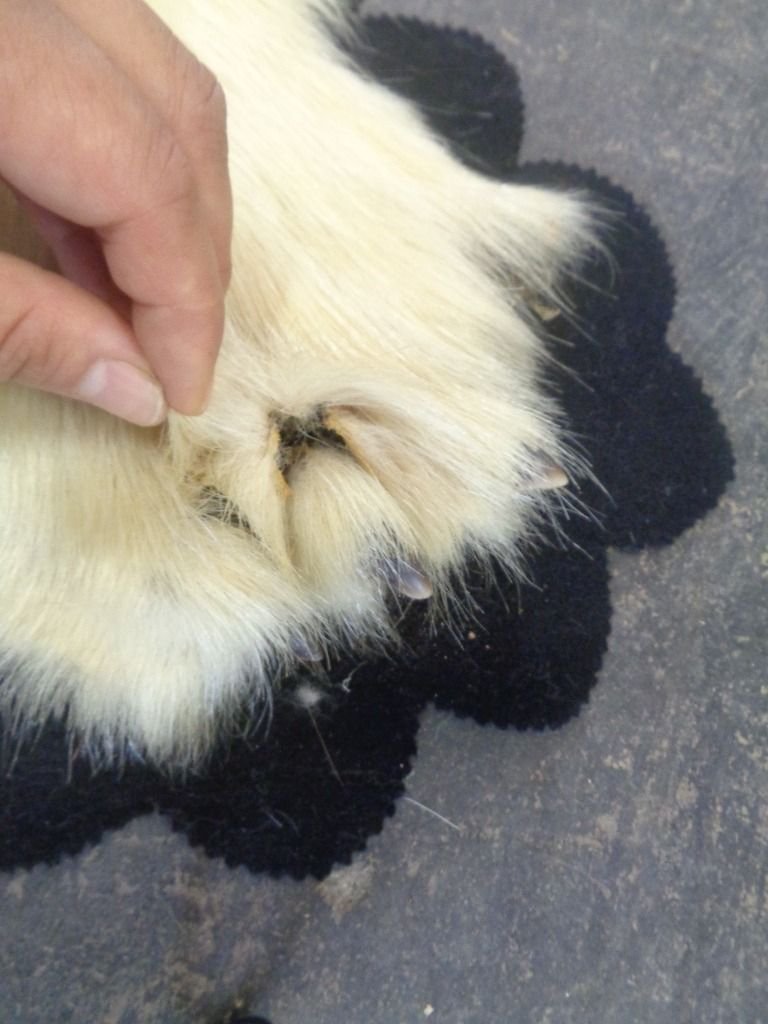
| Foot Structure | Large, slightly webbed front paws for swimming. | |
| Standard Rug Length | 2.1 to 2.7 meters (7 to 9 feet). | |
| Max Rug Width | 2.2 to 2.9 meters (front feet span). |
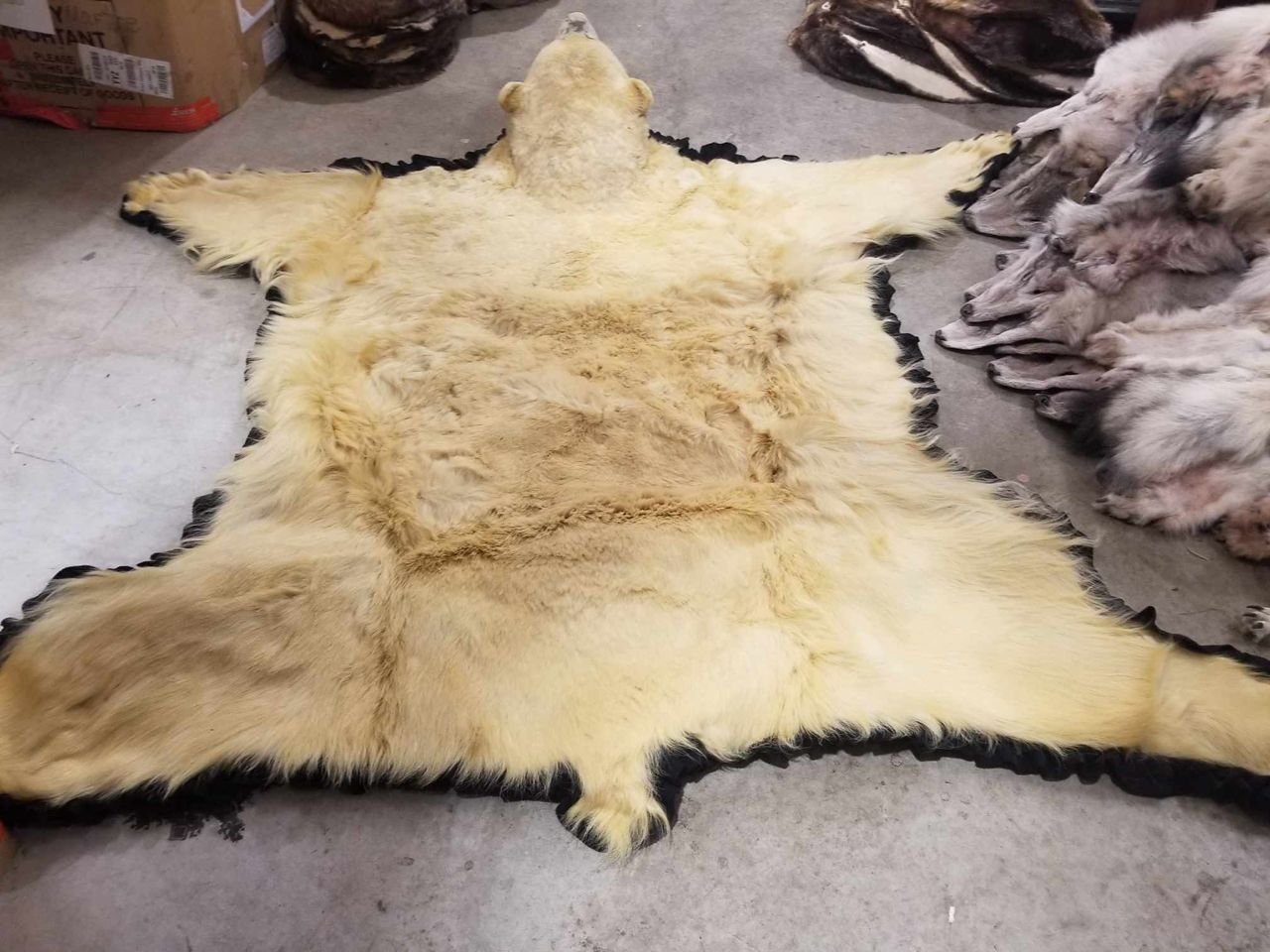
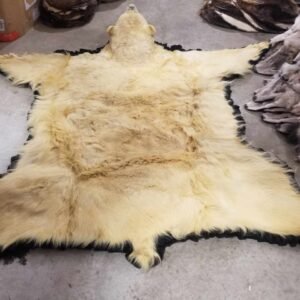
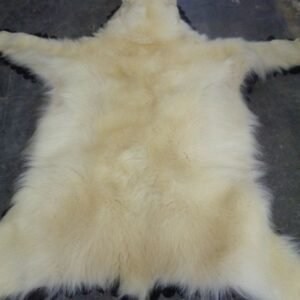
The coloration of a polar bear rug can vary from a brilliant white to a more natural, aged yellow. High-quality specimens are prized for their thick, soft hair and the integrity of the hide, which must be free of significant scarring or moth damage.
Taxidermy Construction and Grading Tiers
The construction of a professional polar bear rug involves more than just tanning the hide. Top-tier rugs are typically mounted with a “full raised head,” which includes a high-density foam or wood-wool form to recreate the bear’s anatomical features. The mouth is often set in an “open” or “snarling” expression, requiring the installation of realistic jaw sets, glass eyes, and a hand-painted silicone or latex tongue and palate.
Professional grading systems, such as those used by The Taxidermy Store, categorize rugs based on anatomical accuracy, hair condition, and overall craftsmanship.
- World Class / Premier Plus: The absolute highest tier, representing the top 5% of available taxidermy. These pieces are museum-quality, with virtually no imperfections and exceptional artistry in the facial expression.
- Elite: High-quality products with only the slightest natural imperfections. They show fine detail in the taxidermy work and possess superior hair density.
- Excellent: Specimens that surpass common market products, often featuring only minor natural scars or blemishes that do not detract from the overall display.
- Vintage / Fair: These categories are reserved for older pieces or those with noticeable wear. While they may have a retro charm, they often require restoration or are valued primarily for their age rather than their current condition.
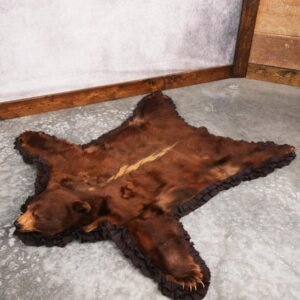
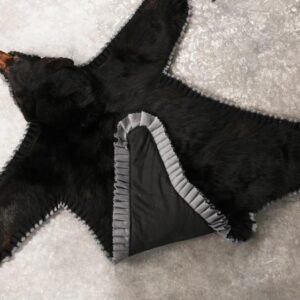
The underside of the rug is typically finished with a double-layered felt border—often in black or a contrasting color like red—and a heavy-duty backing material such as corduroy or thick felt. This backing protects the hide from floor-level abrasion and provides the structure necessary for wall mounting.
Maintenance and Curation Protocols
The longevity of a polar bear rug depends on strict environmental controls. Because the hair is composed of protein fibers, it is susceptible to UV degradation, moisture-induced mold, and pest infestation.
| Maintenance Task | Frequency | Procedure and Notes | Source |
| Surface Dusting | Weekly | Use a soft, dry rag or feather duster; follow the grain of the hair. | |
| Deep Cleaning | Annually | Use a damp cloth with mild detergent (e.g., Dawn); avoid soaking the hide. | |
| Feature Restoration | As needed | Clean glass eyes with a Q-tip and glass cleaner; restore nose shine with clear sealer. | |
| Climate Control | Constant | Keep in a dry, ventilated area between 60°F and 80°F; avoid direct sunlight. | |
| Pest Prevention | Bi-annual | Inspect for moth or beetle larvae; use natural repellents like Mount Medix. |
Professional curators recommend that rugs be displayed in low-traffic areas. If the rug is placed on the floor, foot traffic should be restricted to socks or slippers to prevent the “breaking” of the hollow hair shafts. For wall displays, the rug should be secured with at least six D-rings sewn into the backing and anchored into wall studs to prevent sagging and stress on the leather.
The Regulatory Landscape: MMPA, CITES, and ESA
The trade in narwhal, walrus, and polar bear products is among the most strictly regulated sectors of the wildlife market. Compliance with federal and international law is not only an ethical obligation but a legal necessity for any valid commercial transaction.
The Marine Mammal Protection Act (MMPA) of 1972
The MMPA established a comprehensive moratorium on the taking and importation of all marine mammals and their products in the United States. For the collector, the most critical concept is the “Pre-Act” exemption. Items that were acquired or manufactured prior to the effective date of the Act—December 21, 1972—may be legally sold in the interstate market, provided they are accompanied by documentation proving their age and provenance.
NOAA Fisheries issues “Letters of Determination” which certify that a specific item meets the Pre-Act requirements. This document must remain with the item through every subsequent sale or transfer.
The Endangered Species Act (ESA) and Antique Status
In addition to the MMPA, some species are protected under the ESA. For an item made from an ESA-listed species to be sold as an “antique,” it must meet even stricter criteria: it must be at least 100 years old and must not have been repaired or modified with any parts of an endangered species since 1973.
Alaska Native Handicraft Exemptions
A vital exception to the MMPA allows Alaska Native peoples living on the coast to harvest marine mammals for subsistence and the creation of “authentic Native handicrafts”.
To be legally sold to a non-Native, these products must be “significantly altered” from their natural state through traditional methods such as carving, weaving, or beadwork. For example, a raw walrus tusk cannot be sold to a non-Native, but a tusk that has been scrimshawed by a Native artist is a legal handicraft. All raw marine mammal parts harvested by Alaska Natives must be tagged through the USFWS Marking, Tagging, and Reporting Program (MTRP) to ensure they are tracked within the legal system.
| Regulatory Requirement | Application for Non-Native Buyers | Source |
| Pre-1972 Documentation | Mandatory for all marine mammal products sold in the U.S. | |
| MTRP Tags (Blue/Silver) | Required for Native-harvested raw ivory and hides. | |
| CITES Export Permit | Required for international shipment (e.g., Canada to U.S.). | |
| State-Level Bans | Some states (e.g., NY, CA) have stricter bans that override federal law. |
Indigenous Sustainability and Ethical Sourcing
The modern market for Arctic artifacts is increasingly focused on the ethical dimension of the harvest. Organizations like the World Wildlife Fund (WWF) advocate for the continued legal trade in ivory and hides that result from the subsistence hunting of indigenous communities. Unlike the illegal poaching of elephants, where the animal is often killed solely for its tusks, the Arctic indigenous harvest is characterized by the full utilization of the animal for food, clothing, and heat.
Sustainable management is achieved through co-management agreements between indigenous groups—such as the Eskimo Walrus Commission—and federal agencies. These programs monitor population health and set harvest quotas based on both scientific data and Traditional Ecological Knowledge (TEK). Purchasing legally sourced, Native-carved ivory or hides directly supports the economic self-sufficiency of Arctic communities and ensures the preservation of ancient cultural traditions.
Technical Curation and Restorative Techniques
Professional curation of Arctic artifacts often involves specialized restorative techniques to address the natural aging of biological materials. For narwhal and walrus ivory, the primary threat is desiccation, which leads to the widening of longitudinal cracks. Industry experts recommend the biennial application of a light coat of mineral oil or white Vaseline to seal the surface and maintain the ivory’s moisture balance, particularly in climate-controlled indoor environments with low humidity.
In the case of polar bear rugs, restoration of the hide may be necessary if the leather becomes brittle or tears occur. Taxidermists utilize an array of fine monofilament and specialized needles to perform “surgeon’s knots” on the hide. In areas where the skin is dangerously thin, support pads of sheep or cow hide are often integrated into the stitches to provide structural reinforcement without compromising the rug’s aesthetic drape.
The use of specific professional-grade products is also standard in the industry. For instance, “Cowboy Magic” is frequently used to add shine and manage the long, hollow hair of polar bear mounts, while “Mount Medix” is the preferred solution for preventing dermestid beetle infestations, which can decimate a fur collection if left unchecked.
Market Outlook and Value Retention
The market for high-quality Arctic artifacts has shown consistent value retention, driven by the increasing rarity of the specimens and the tightening of global trade restrictions. As the Arctic warms and sea ice declines, the populations of narwhals, walruses, and polar bears face new ecological pressures, which may further restrict the availability of new specimens in the coming decades.
Frequently Asked Questions (FAQs)
1. Is it legal for me to buy a Polar Bear Rug? Yes, provided the rug is a “Pre-Act” specimen (acquired before 1972) or an authentic Alaska Native handicraft that has been significantly altered. All our rugs come with the necessary federal documentation.
2. Why do some polar bear rugs look slightly yellow? A creamy yellow tint is the natural color of a polar bear’s coat. Pure white bears are often younger or have been meticulously cleaned, but a natural “ivory” yellow is a hallmark of an authentic, un-bleached hide.
3. How do I secure such a large rug to a wall? We recommend using at least six D-rings sewn into the heavy-duty backing and anchoring them directly into wall studs to prevent sagging and stress on the leather.
4. Can the rug be shipped internationally? International shipping is highly restricted and requires specific CITES export permits. We handle all regulatory paperwork to ensure your shipment is fully compliant with global laws.
5. How long will a professionally mounted rug last? With proper climate control and pest prevention (using solutions like Mount Medix), a museum-quality rug can last for a century or more as a cherished family heirloom.
Be the first to review “Buy Polar Bear Rug”
Related products
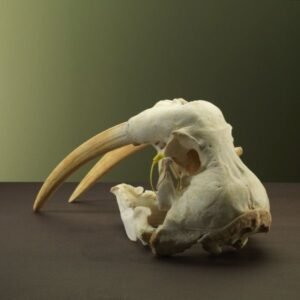
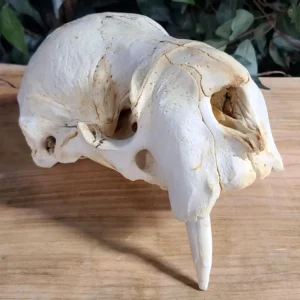
Walrus Tusk
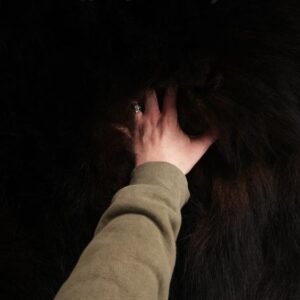
Polar Bear Rug
All Products
Polar Bear Rug
Polar Bear Rug
Narwhal Tusk
Polar Bear Rug
Reviews
There are no reviews yet.