Walrus Skulls & Ivory Collector Hub with Walrus Skulls Price
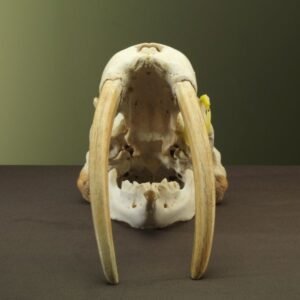
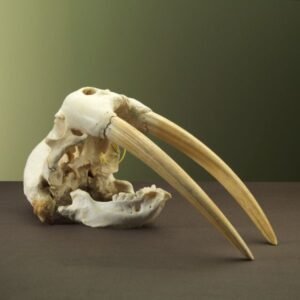
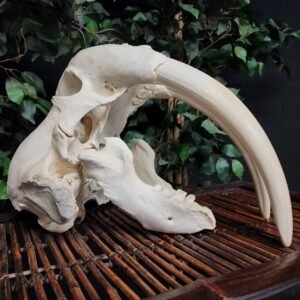
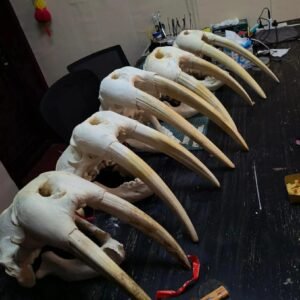
Welcome to the definitive marketplace for authentic Arctic walrus specimens (Odobenus rosmarus). Our active inventory features large full-vault male cranial structures, traditional facial skull masks, and unmounted premium ivory pairs. Every item is verified for structural bone density and legal provenance.
✔ CITES Appendix III Compliant Tracking
✔ Professional Museum-Grade Stabilization
Walrus Tusk
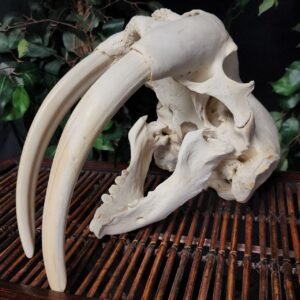
Walrus Tusk
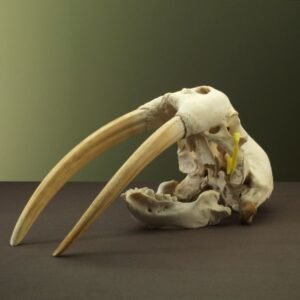
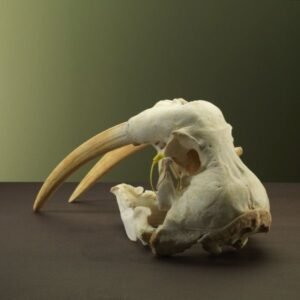
Walrus Tusk
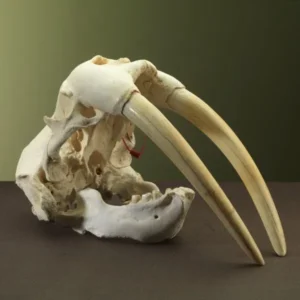
Walrus Tusk
All Products


Walrus Tusk


Walrus Tusk
Biological Variations Shifting Your Walrus Skull Price
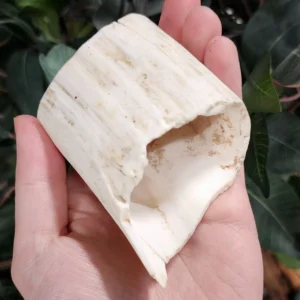
Establishing an accurate market walrus skull price depends heavily on natural grading variables. Premium collector valuations are awarded to mature male structures showcasing extensive cranial mass, deep muscular attachment points along the sagittal crest, and an unblemished ivory extension metric. Our inventory features meticulously cleaned, multi-step bleached bone columns that retain natural structural density while avoiding the brittle enamel damage associated with aggressive chemical over-processing.
For collectors curating a comprehensive high-latitude gallery room, these dense bone artifacts offer incredible contrast. Interior designers frequently place a walrus tusk for sale profile alongside dark natural oak backdrops, or layer the ivory components near our premium Polar Bear Rug collections to anchor a definitive arctic natural history theme.
Walrus Ivory Legality & Environmental Care FAQ
What mandatory paperwork coordinates with each domestic walrus purchase?
Every single specimen travels with an original Canadian Marine Mammal Transportation Certificate (MMTC). This tracking manifest documents the legal origin of the hunt from local northern wildlife boards directly to your collection room, ensuring compliance with federal WAPPRIITA laws.
How do you protect a walrus skull from splitting indoors?
Maintain absolute climate stability by keeping your indoor relative humidity metrics mapped consistently between 40% and 50%. Rapid dehydration or positioning the bone directly in front of forced-air climate vents will cause micro-fossil lines along the tusk roots to expand and fracture.