Buy 9ft Narwhal Tusk

Original price was: $6,300.00.$5,400.00Current price is: $5,400.00.
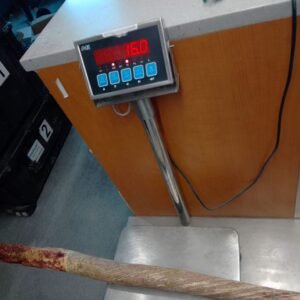
A truly elite specimen that exists at the edge of biological possibility. This 9ft tusk is a monumental sculpture of nature, offering an imposing scale that few private collections ever achieve. Its sheer length and mesmerizing spiral make it the ultimate conversation piece for a grand estate. Certified legal Inuit-harvested ivory.
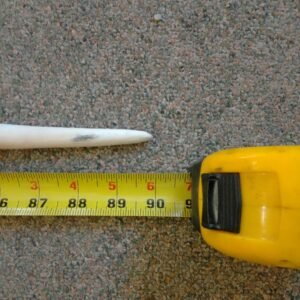
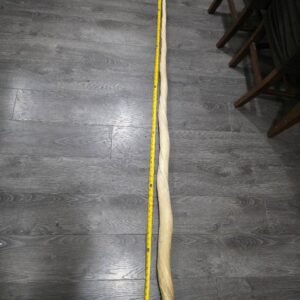
Own a legendary 9ft Narwhal Tusk (SKU-9FT). A museum-grade, 274cm spiral ivory specimen with full CITES certification and expert heritage documentation.
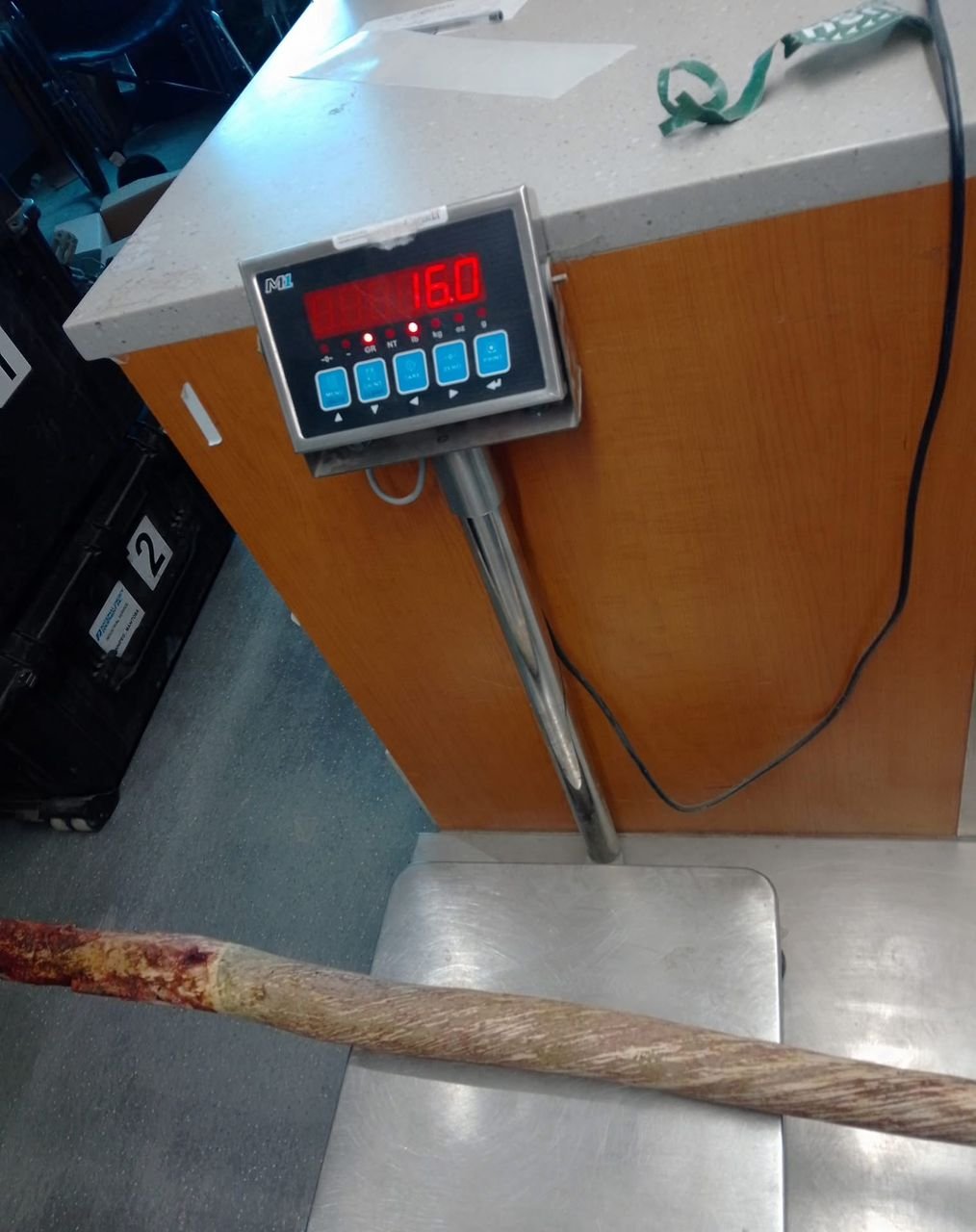
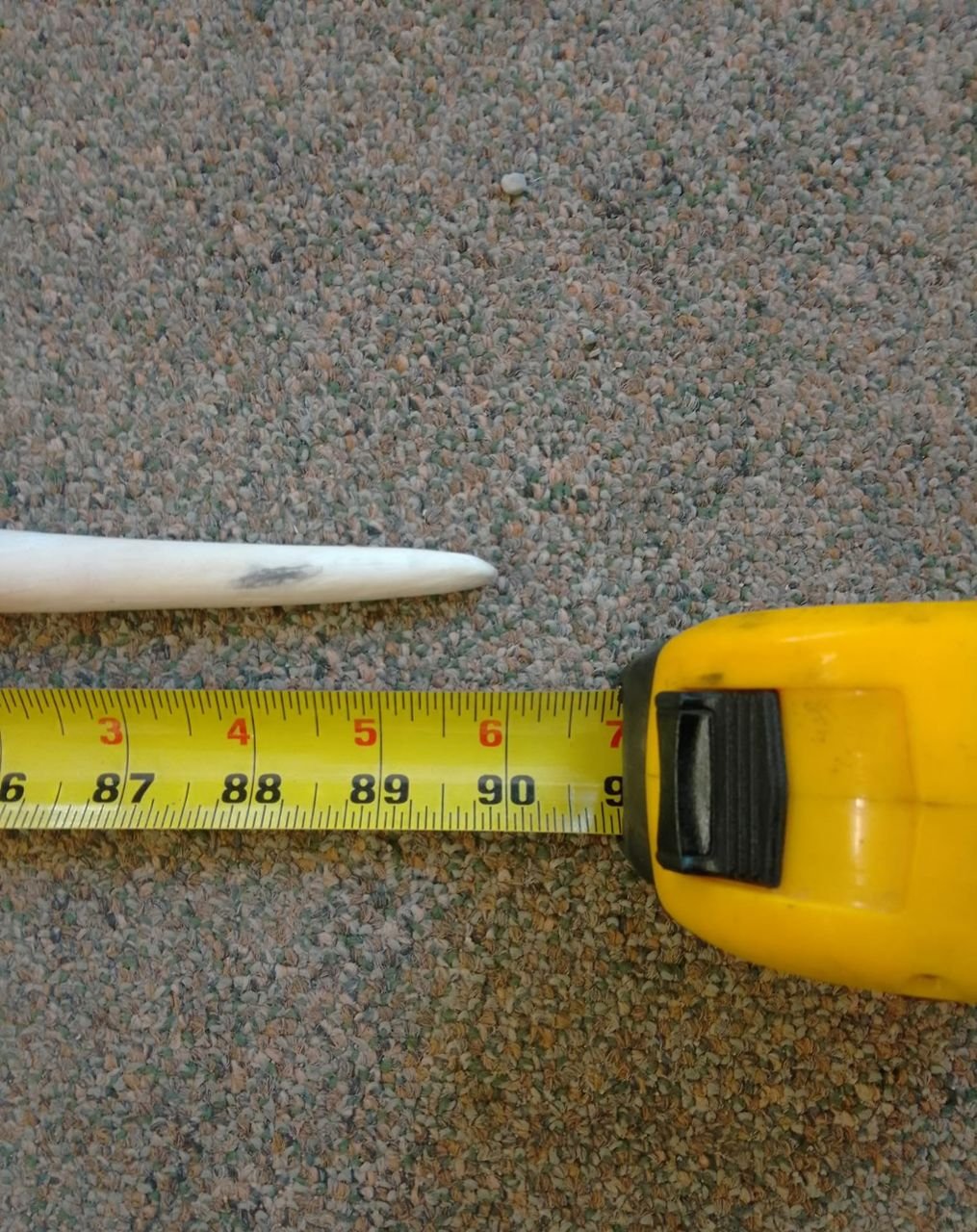
The 9ft Narwhal Tusk is a specimen of legendary proportions, standing as a testament to the endurance of life in Earth’s most unforgiving environment. To find a tusk that has reached a length of nine feet (approximately 274 cm) without breaking, splintering, or being lost to the crushing pressure of Arctic ice is a statistical rarity of the highest order.
In the life of a Narwhal (Monodon monoceros), reaching this extraordinary length requires not just decades of survival, but a life spent in the most nutrient-rich waters with minimal physical trauma. While the whale itself may reach 15 to 16 feet in length, a tusk of nine feet means that more than half of the animal’s total physical profile is comprised of this singular, spiraling ivory tooth.
Standing a 9ft Narwhal Tusk in a room is a transformative experience. It is a height that exceeds the reach of almost any human, creating a sense of scale that borders on the supernatural. For the discerning collector, this length represents a “tier one” acquisition—a piece rarely seen outside of the world’s most prestigious private collections or national maritime museums. It is not just a conversation starter; it is a room-defining masterpiece that shifts the energy of any space it occupies, bridging the gap between natural history and fine art.
The Physics of the Extended Spiral
The geometry of a 9ft Narwhal Tusk is vastly different from its shorter counterparts. As the ivory extends toward the nine-foot mark, the “pitch” of the helical twist often undergoes a subtle transition. The spiral must be structurally sound enough to support nearly three full meters of ivory projecting forward through freezing water at high speeds.
Structural Composition
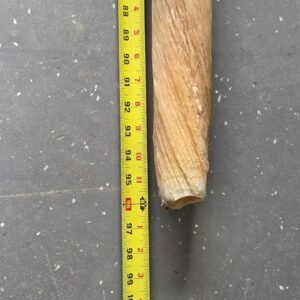
Consequently, the 9ft specimen features a much thicker “wall” of ivory at the base, often measuring 3.5 to 4.5 inches in diameter. This robust foundation is necessary to counterbalance the immense torque applied to the tusk during the whale’s movements. When you examine the full 9ft length, you will notice the incredible “extension” of the ridges. The grooves that started at the base travel an immense distance to reach the tip, creating a visual rhythm that is hypnotic.
Evidence of an Ancient Life
Because of the age required to grow nine feet of ivory, these specimens often display a rich, complex surface texture. You may find:
- Growth Rings: Subtle variations that correspond to different years of the whale’s life.
- Mineral Tones: Hints of organic coloration absorbed from the Arctic depths.
- Crystalline Structure: A high-density finish that reflects light with an ethereal, pearlescent quality.
This is ivory that has “lived,” carrying the history of the Holocene Arctic within its very marrow.
The 9ft Tusk: A Symbol of Sovereignty
In the annals of history, a 9ft Narwhal Tusk was considered the “Crown Jewel of the North.” During the Age of Exploration, when Dutch and English mariners first pushed into the Northwest Passage, a tusk of this magnitude was considered a gift fit for a Czar or a Pope. It was these specific 9ft specimens that inspired the legends of the “Sea Unicorn” mentioned in the journals of early explorers like Henry Hudson and John Davis.
To own a tusk of this size today is to possess a symbol of endurance and rarity. In contemporary luxury design, the 9ft Narwhal Tusk is often used as a “totem”—a vertical anchor that provides a sense of permanence and ancient power. It is an object that feels as though it has existed for eons and will continue to exist for eons more, standing firm long after modern trends have faded.
Design Strategy: Managing the Magnitude
A 9ft Narwhal Tusk demands a specific architectural context. It is a “high-ceiling” specimen that requires volume and light to be properly understood. To integrate this giant into a luxury interior, consider the following strategies:
- Double-Height Living Spaces: In homes with “great rooms” or vaulted ceilings, the 9ft tusk is one of the few natural artifacts that can effectively fill the vertical void. It creates a cohesive visual link between the floor and the upper gallery.
- The “Floating Centerpiece”: For those with the space, mounting the tusk horizontally using aircraft-grade tension wires creates a breathtaking “floating” effect. This allows the viewer to walk underneath and around the specimen, appreciating the spiral from every possible angle.
- Museum-Style Pedestals: A heavy, blackened steel or granite base is required. The base must be weighted to provide a low center of gravity to ensure the 274cm height remains stable.
- Directional Lighting: Lighting should be directed from the base upward to elongate the shadows within the spiral ridges, emphasizing the helical geometry.
Cultural Integrity and Global Compliance
The harvest of a Narwhal with a 9ft Narwhal Tusk is a rare and respected event within Inuit culture. Such a large whale provides an immense amount of food for a village, and the tusk represents a significant windfall for the hunting family. We ensure that the hunters receive a fair-trade premium for these “Extraordinary Length” specimens, acknowledging the skill required to bring such a prize safely across the ice.
The Heritage Portfolio
Each 9ft Narwhal Tusk is strictly regulated under CITES Appendix II. We handle all the complex legalities, providing the buyer with a comprehensive “Heritage Portfolio” which includes:
- Original Federal Harvest Tags: Verifying the specific Arctic region of origin.
- CITES Export Permits: Necessary for legal international or interstate transport.
- Certificate of Authenticity: Detailing the specimen’s unique physical measurements and history.
This ensures that your investment is fully protected and that the tusk can be legally owned, insured, and eventually passed on to future generations as a documented heirloom.
Preservation of a Giant
Maintaining a 9ft piece of organic ivory requires a commitment to preservation. Because of its extreme length, the tusk is more sensitive to subtle changes in its environment than smaller tusks.
Maintenance Checklist
| Feature | Care Instruction |
| Vibration Management | Mount in a location free from heavy foot traffic or mechanical vibrations to avoid stress on the internal structure. |
| Surface Care | Regular “dry cleaning” with a soft, natural-hair brush is recommended to prevent dust accumulation in the grooves. |
| Climate Control | Maintain a stable humidity level. If the ivory appears “thirsty” or loses its sheen, consult a professional conservator. |
| Tip Guarding | The tip is the most vulnerable point. Ensure it is positioned away from high-traffic zones or corners where it could be bumped. |
By respecting the structural needs of the 9ft Narwhal Tusk, you ensure that its spiraling beauty remains as sharp and impressive as the day it emerged from the Arctic waters.
Frequently Asked Questions
1. Is it legal to own a 9ft Narwhal Tusk?
Yes, provided it is accompanied by the correct legal documentation. In Canada and many other nations, Narwhal tusks are legally harvested by Inuit hunters under a strict quota system managed by the Department of Fisheries and Oceans (DFO). Each tusk we sell comes with all required CITES permits.
2. How do you ship a 9ft long fragile item?
Shipping a 9ft Narwhal Tusk requires a custom-built, foam-lined wooden crate. We use specialized fine-art couriers who understand the climate and handling requirements of high-value ivory specimens.
3. Is the tusk hollow or solid?
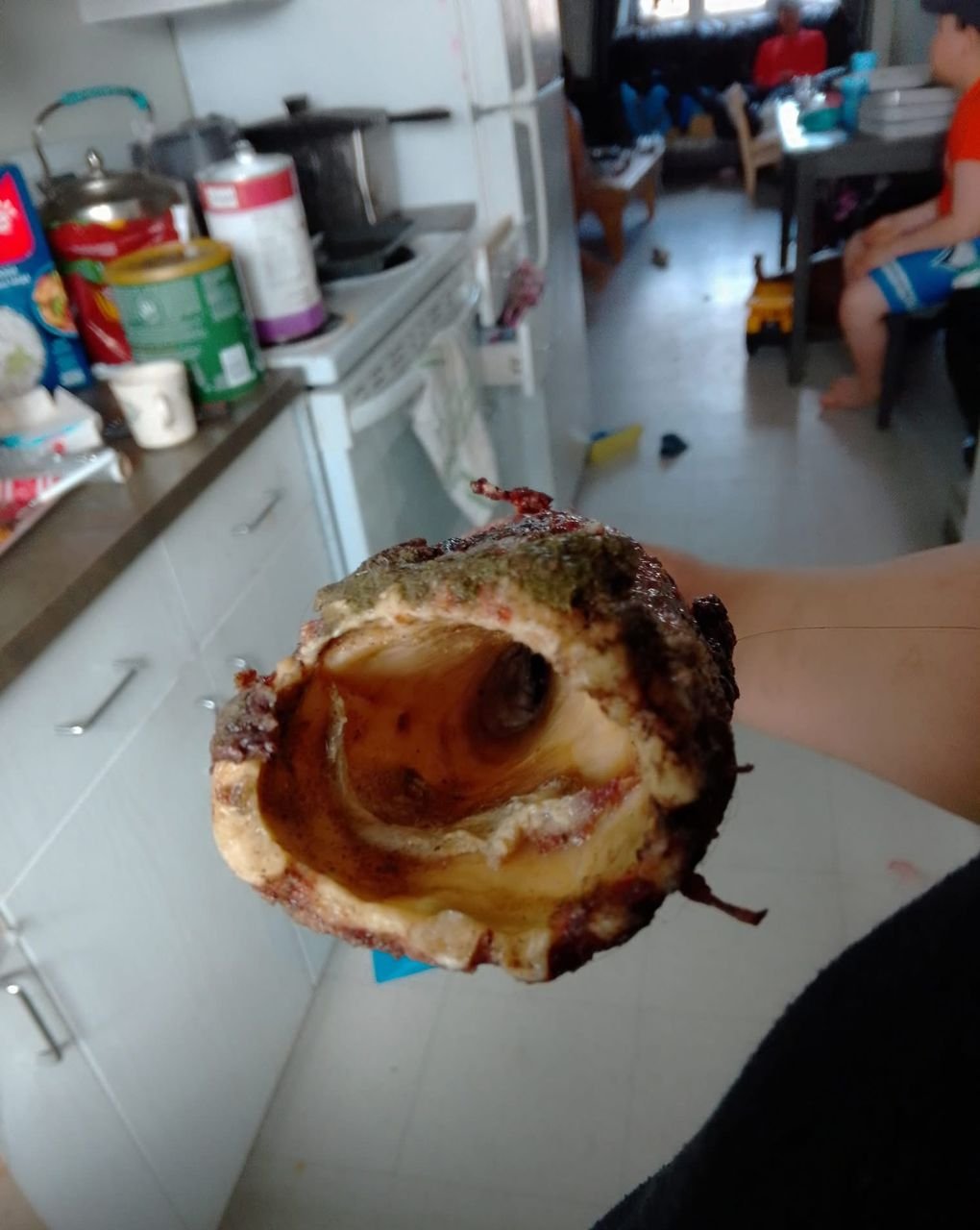
The tusk is solid ivory for most of its length, though it has a hollow “pulp cavity” at the base where it was embedded in the whale’s skull. This hollow section usually extends about 10-15% into the total length of the tusk.
4. How can I tell if the 9ft length is genuine and not two pieces joined together?
Every tusk we provide is a single, continuous piece of ivory. You can verify this by examining the helical spiral; a natural spiral has a consistent “flow” and grain that cannot be perfectly replicated by joining two different tusks. Our Certificate of Authenticity guarantees the specimen is a single natural tooth.
5. Why is a 9ft tusk so much more expensive than a 6ft or 7ft tusk?
The price reflects the extreme rarity. Most Narwhal tusks break or wear down due to “tusking” (social behavior) or ice contact before they reach nine feet. A 9ft specimen represents the top 1% of all tusks ever harvested, making it a true collector’s “trophy” item.
Be the first to review “Buy 9ft Narwhal Tusk”
Related products

Narwhal Tusk
Walrus Tusk
All Products
Narwhal Tusk
Narwhal Tusk
Narwhal Tusk
All Products
Reviews
There are no reviews yet.