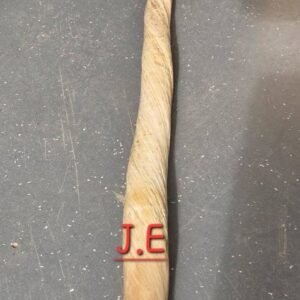
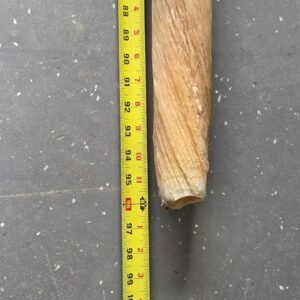

Buy 8ft Narwhal Tusk

Original price was: $5,600.00.$4,800.00Current price is: $4,800.00.
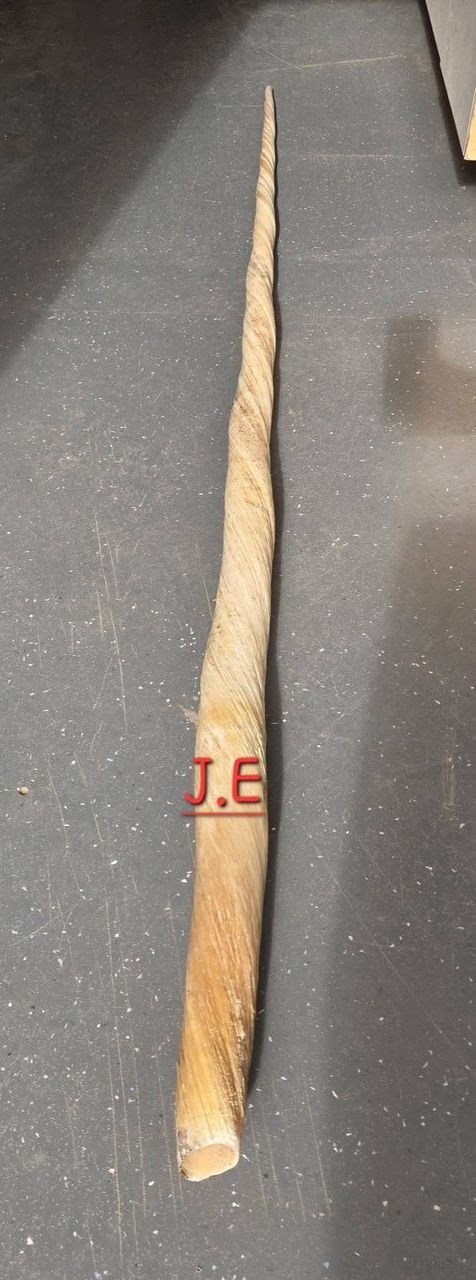
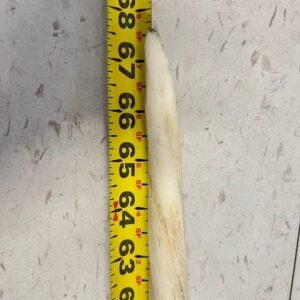
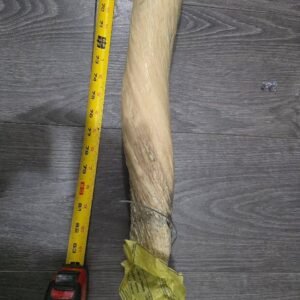
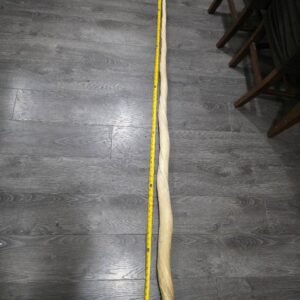
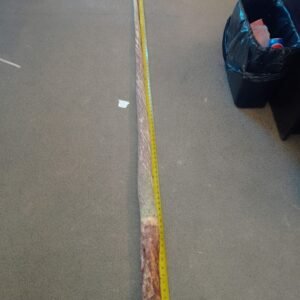
An “Arctic Titan” of legendary proportions. Reaching the rare 8ft mark, this tusk is a biological masterpiece, featuring deep, pronounced grooves and incredible structural density. It is a Tier-One acquisition for high-end natural history collections. Sold with full provenance and international export compliance.
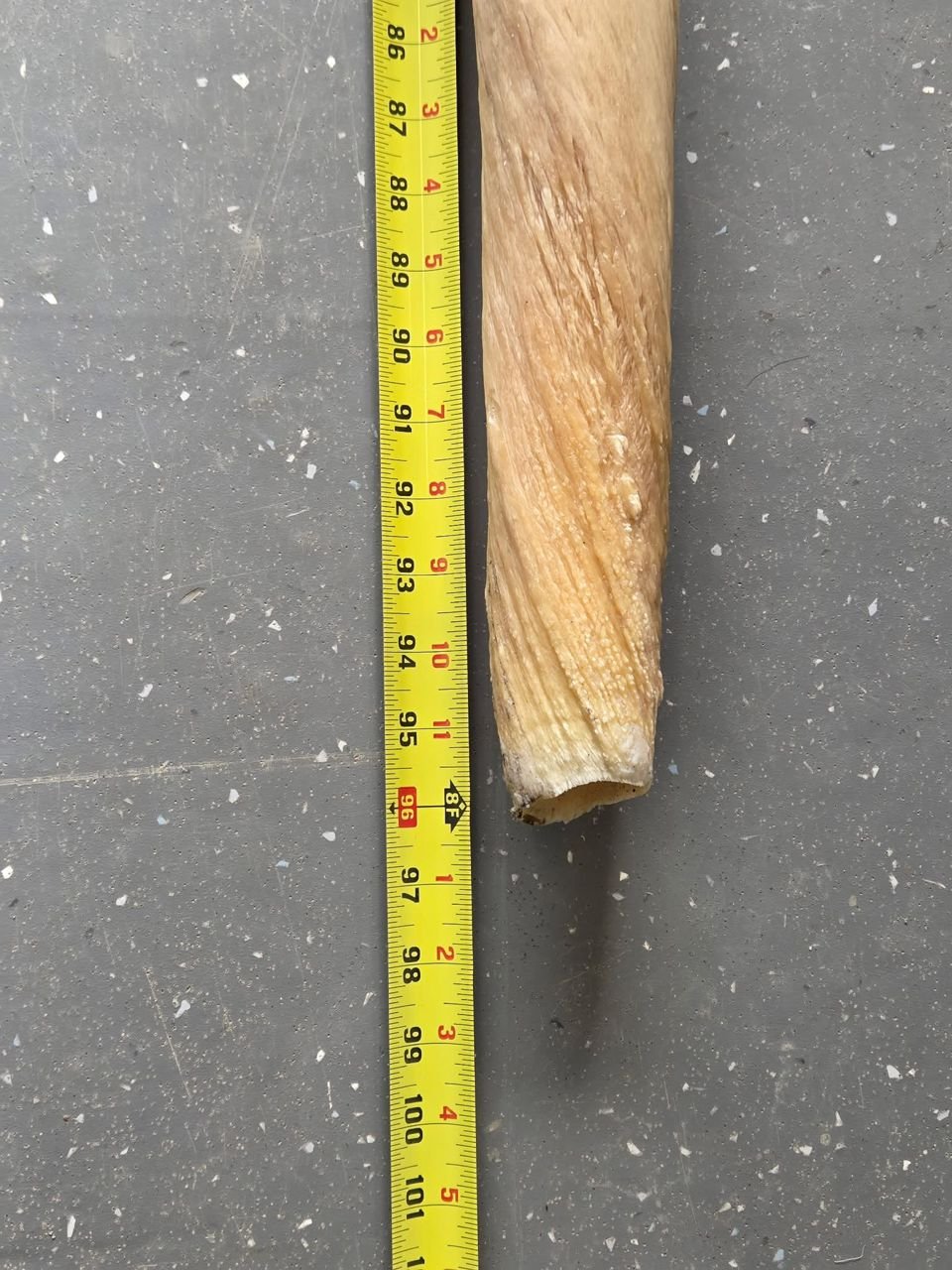
The 8ft Narwhal Tusk stands as a towering achievement of biological engineering and one of the most sought-after treasures of the natural world. Reaching a length of eight feet (approximately 244 cm), this specimen represents a rare intersection of age, health, and environmental fortune. In the frigid, high-pressure depths of the Arctic Ocean, most tusks are subjected to immense stress—clashing against sea ice or engaging in “tusking” rituals with other males. To find an 8ft Narwhal Tusk that has maintained its structural integrity, sharp tip, and deep helical grooves is to discover a literal needle in a frozen haystack.
For the serious collector or interior architect, the eight-foot mark is a critical threshold. It is the point where the tusk transitions from a “large specimen” to a “dominant architectural feature.” While shorter tusks are often displayed on mantels, an 8ft Narwhal Tusk demands the full vertical height of a room, commanding attention through its sheer scale and the hypnotic, counter-clockwise spiral that defines the species.
The Anatomy of an 8ft Ivory Masterpiece
The 8ft Narwhal Tusk is not merely a long tooth; it is a sensory organ and a marvel of physics. At this length, the ivory exhibits specific characteristics that distinguish it from juvenile specimens.
Helical Geometry and Density
The “twist” of a tusk this size is a masterclass in natural geometry. The spiral ridges serve to strengthen the ivory, allowing it to flex slightly without snapping under the weight of the Arctic currents.
- Base Diameter: An 8ft specimen typically features a base diameter of 3.25 to 4 inches, providing the necessary ballast for the extended length.
- Taper and Pitch: The pitch of the spiral remains consistent across the 244 cm, creating a visual “ladder” that draws the eye upward.
- Surface Patina: Unlike younger, bleached-white tusks, an 8ft tusk often possesses a “creamy” or “antique” patina, the result of decades of mineral absorption and interaction with the salt-rich waters of the North.
A Totem of Natural History and Prestige
Historically, the 8ft Narwhal Tusk was the primary source of the “Unicorn” myth in Medieval Europe. Vikings and Basque whalers who traded these tusks to southern courts often kept their true origin a secret, leading royalty to believe they possessed the horns of mythical land beasts. To own one today is to connect with that era of wonder and exploration.
In modern high-end design, the tusk serves as a “natural vertical.” It breaks up the horizontal lines of modern furniture and provides an organic contrast to glass, steel, and concrete. It is a symbol of sovereignty over one’s environment and a deep appreciation for the world’s most remote ecosystems.
Curating the 8ft Experience: Display and Placement
Because an 8ft Narwhal Tusk stands taller than the average door frame, its placement must be intentional. It requires “breathable” space to avoid looking cramped.
Architectural Integration
- The Grand Entryway: Flanking a doorway with an 8ft tusk creates a ceremonial sense of passage. The verticality of the ivory complements the height of grand foyers.
- The Library Anchor: Placed in a corner among leather-bound books and dark wood, the tusk acts as a bright, ivory beacon that lightens the room’s palette.
- Horizontal Suspension: If floor space is limited, mounting an 8ft tusk horizontally above a fireplace or a long dining table showcases the full length in a way that allows guests to inspect the spiral ridges at eye level.
Support Systems
A tusk of this magnitude weighs significantly more than smaller variants. We recommend a custom-fabricated “Gallery Stand”—a weighted floor base with a “cradle” system that supports the tusk at two points (the base and the lower third). This ensures the tusk remains perfectly vertical and is protected from accidental tip-overs.
Ethical Sourcing and CITES Certification
The procurement of an 8ft Narwhal Tusk is governed by strict international laws to ensure the conservation of the species. Every specimen we offer is sourced through the Inuit Marine Mammal Management Program.
- Cultural Impact: These tusks are a byproduct of traditional subsistence hunting, which provides essential food for Arctic communities.
- Legal Documentation: Your 8ft Narwhal Tusk will arrive with a comprehensive “Provenance Package,” including the DFO (Department of Fisheries and Oceans) tags and a CITES Export Permit. These documents are essential for the legal transfer of ivory and ensure that your investment is fully compliant with global conservation standards.
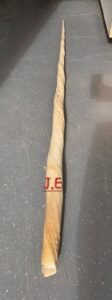
8ft Narwhal Tusk
Long-Term Conservation and Care
Organic ivory is a “living” material that responds to its environment. To ensure your 8ft specimen remains a heritage piece for centuries, follow these preservation guidelines:
- Hydration Balance: Ivory can develop “stress cracks” if the environment is too dry. We recommend maintaining a stable humidity of 40-50% in the display room.
- UV Protection: Avoid placing the tusk in direct, punishing sunlight, which can “parch” the ivory and cause it to lose its natural luster.
- Structural Safety: Because the 8ft length creates significant leverage, never lean the tusk directly against a wall without a secured base. The pressure on the tip can cause internal micro-fractures over time.
Frequently Asked Questions
1. How heavy is an 8ft Narwhal Tusk?
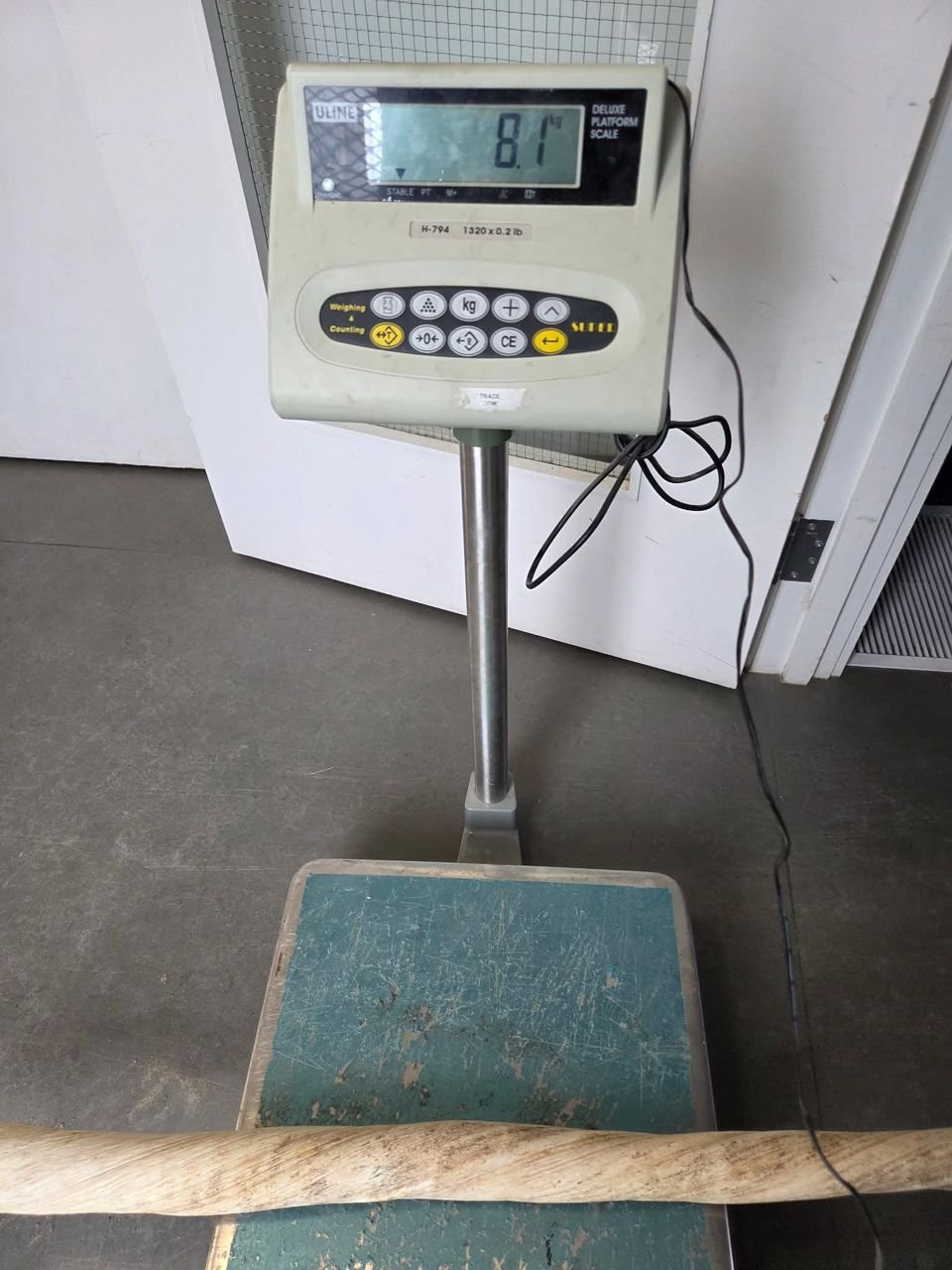
A tusk of this length typically weighs between 12 and 18 pounds (5.5 to 8 kg), depending on the density of the ivory and the thickness of the walls. Despite its length, it is surprisingly manageable for two people to move.
- Can I travel internationally with my 8ft Narwhal Tusk?
Yes, but you must have your CITES permits in order. While we provide the initial export permits, different countries have different import rules (for example, the US has very strict regulations under the Marine Mammal Protection Act). Always check local laws before transporting ivory across borders. - Is the tip of the tusk naturally that sharp?
Yes. Narwhals use their tusks for various social and sensory purposes, and the constant movement through water and occasional “tusking” with other whales keeps the tip worn to a natural, tapered point. - Does the tusk require polishing?
We do not recommend using commercial polishes or waxes. A simple wipe with a soft, dry microfiber cloth is sufficient. The “sheen” of the tusk comes from the natural density of the ivory itself. - Why are 8ft tusks more expensive than 7ft tusks?
The rarity curve for Narwhal tusks is exponential. It takes significantly more years for a whale to grow that final foot of ivory, and the chances of the tusk breaking during those extra years of life increase dramatically. An 8ft specimen is a survivor.
Be the first to review “Buy 8ft Narwhal Tusk”
Related products
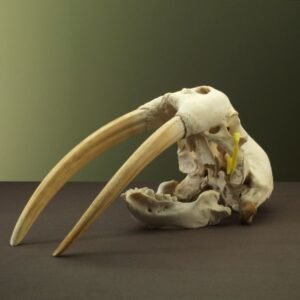
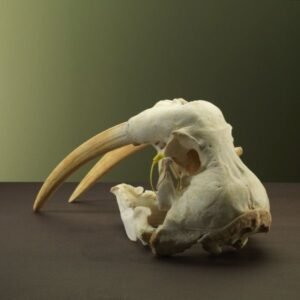
Walrus Tusk
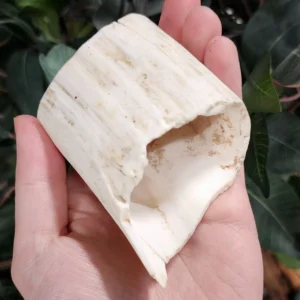
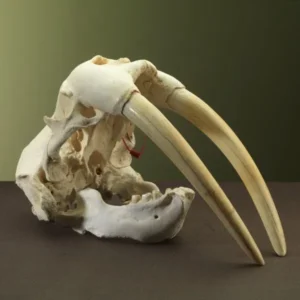
Walrus Tusk
All Products
Walrus Tusk

Narwhal Tusk
Narwhal Tusk
Narwhal Tusk
Reviews
There are no reviews yet.