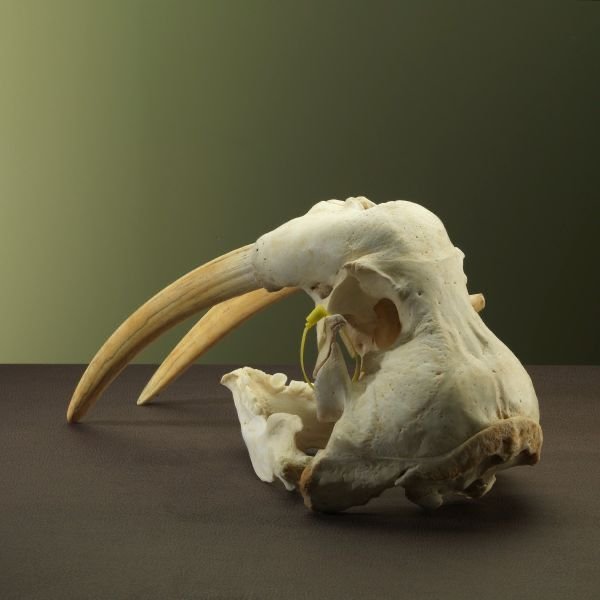
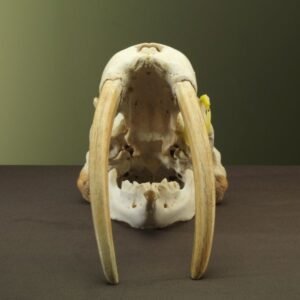
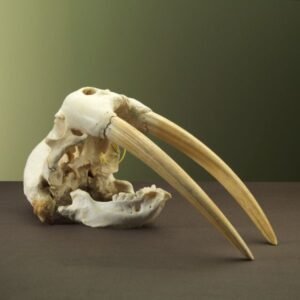
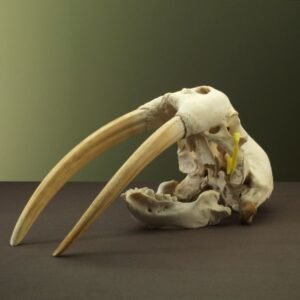
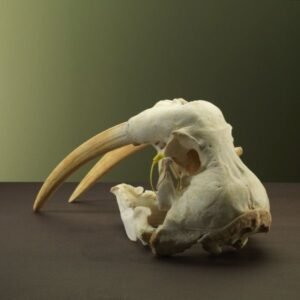
Buy Arctic Walrus Skull

Original price was: $1,400.00.$1,300.00Current price is: $1,300.00.
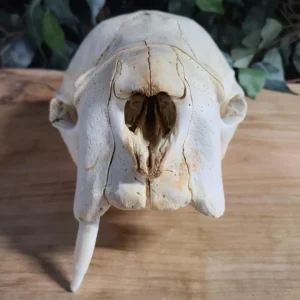
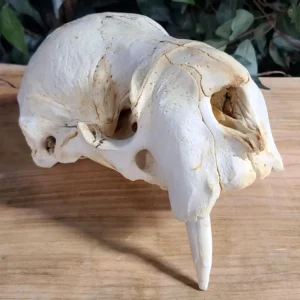
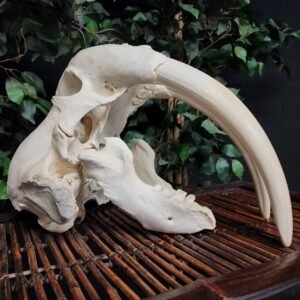
This stuffed walrus skull (Odobenus rosmarus) is an impressive taxidermy specimen that perfectly captures the strength and robustness of one of the Arctic’s most iconic marine animals. The walrus, known for its imposing tusks and robust body, lives in the cold waters of the Arctic Sea and the northern Atlantic and Pacific Oceans. Its impressive build and distinctive tusks make the walrus one of the Arctic’s most fascinating mammals.
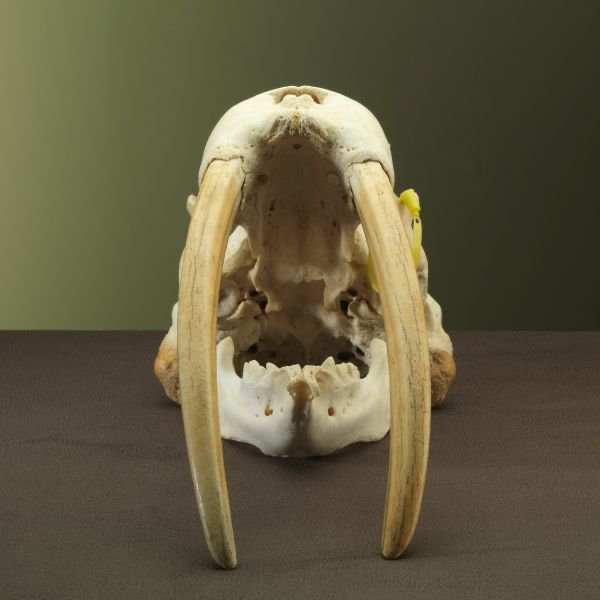
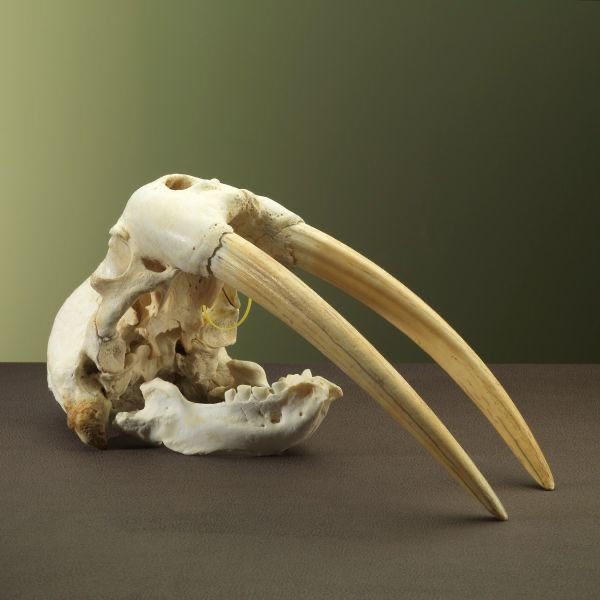
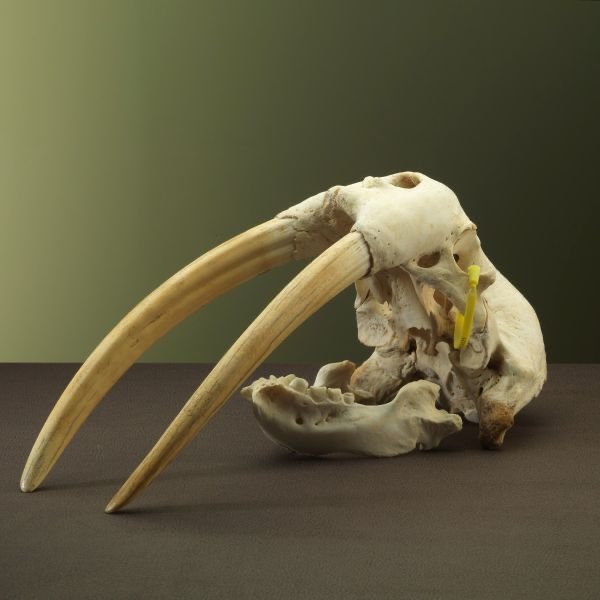
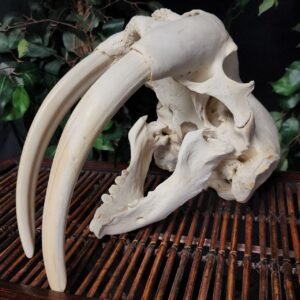
In the world of rare Arctic collectibles, the Arctic Walrus Skull (SKU-MORSE-ALPHA) stands as a monument to sheer biological power. This specimen is an extraordinary example of a dominant alpha male, characterized by its massive bone density and exceptionally heavy-girth ivory tusks. Measuring a staggering 39cm in exposed ivory length, these tusks represent a lifetime of dominance in the brutal ice-pack environments of the High Arctic.
Unlike smaller, more slender female specimens, this skull features the broad, reinforced maxillary structure required to support the leverage of such powerful ivory. For the serious collector or museum curator, this Arctic Walrus Skull is not just a biological artifact; it is a primal statement of wilderness majesty that anchors any room with historical and natural gravity.
Biological Dominance: The Anatomy of a 39cm Masterpiece
The defining feature of this specimen is the sheer mass of its ivory. At 39cm of exposed length, the tusks exhibit a robust, thick-walled structure that only develops in the most mature bulls.
The Marble-Core Authentication
Every authentic Arctic Walrus Skull must be verified by its internal composition. This specimen showcases the classic “primary and secondary” dentine structure:
- Primary Dentine: The outer layer of the 39cm tusks is smooth, with a deep, creamy-yellow patina that signifies extreme age and exposure to the mineral-rich Arctic waters.
- Secondary Osteodentine: The core of the ivory features the iconic “oatmeal” or marbled crystalline texture. When viewed under direct light, this core exhibits a translucent quality that is the definitive hallmark of genuine walrus ivory.
- Anatomical Integrity: The skull itself is professionally cleaned and whitened, highlighting the deep sockets and the rugged, porous texture of the bone that anchored these massive ivory tools.
A Masterpiece of Natural History and Maritime Heritage
Historically known as “Morse,” walrus ivory has been the gold standard for Arctic trade and maritime art for centuries. An alpha male Arctic Walrus Skull of this magnitude would have been a prized possession in a 19th-century “Cabinet of Curiosities” or a high-ranking officer’s quarters aboard a whaling vessel.
Design and Curation in Modern Spaces
- The Executive Centerpiece: Placed on a custom-weighted steel pedestal, the skull serves as a powerful symbol of endurance and leadership in a boardroom or private study.
- Architectural Lighting: We recommend low-angle, warm LED lighting to catch the natural longitudinal cracks in the ivory. These cracks, known as “cementum lines,” add a layer of authentic texture that proves the specimen’s biological origin.
- Tactile Luxury: The contrast between the smooth, polished ivory and the rugged, weathered bone of the skull provides a multi-sensory experience that synthetic replicas cannot hope to achieve.
Ethical Sourcing and Legal Transparency
We operate with a deep respect for the Arctic ecosystem and the indigenous peoples who steward it. This Arctic Walrus Skull is sourced exclusively through the Inuit subsistence hunt, where the walrus provides essential nutrients for the community.
The Legal Documentation Package
To ensure your acquisition is fully protected and 100% legal for ownership, this specimen includes:
- Marine Mammal Protection Act (MMPA) Documentation: Certification of its status as a Pre-1972 specimen or an authentic Alaska Native handicraft.
- CITES Export/Import Permits: Essential for any high-value international transfer.
- USFWS Marking & Tagging (MTRP): If applicable, the original silver or blue tags that track the ivory from its Arctic origin to our gallery.
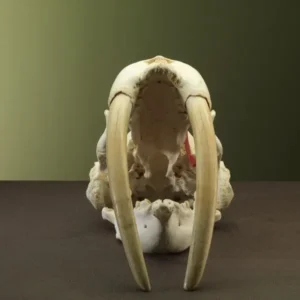
Arctic Walrus Skull
Heirloom Preservation and Care Protocols
To ensure that the 39cm ivory tusks and the skull remain in museum condition for the next century, specific curation is required:
- Climate Stability: Avoid placing the skull near direct heat sources or AC vents. Ivory is porous and reacts to rapid changes in humidity; maintaining a 45-50% humidity level is ideal.
- Hydration: Industry experts recommend a biennial application of a light mineral oil to the tusks to prevent the ivory from drying or “checking.”
- Handling: When moving the skull, always support it from the base of the maxillary bone rather than lifting by the tusks to ensure the structural integrity of the natural “sockets.”
Frequently Asked Questions (FAQs)
- How do I know if this Arctic Walrus Skull is an alpha male? The determination is based on the width of the tusk sockets and the overall girth of the ivory. Females and younger males have much more slender, tapered tusks compared to the 39cm heavy-girth tusks of an alpha bull.
- Is it legal to display this skull in a commercial office? Yes, provided you have the original legal documentation (MMPA/CITES) which we provide. It is a legal biological artifact of natural history.
- Why are there small cracks in the ivory? These are longitudinal “age lines” or cementum cracks. They are a natural part of the ivory’s lifecycle and are a key indicator of an authentic, non-synthetic specimen.
- How do I clean the bone portion of the skull? Use only a soft, dry brush to remove dust. Never use liquid cleaners or bleach, as this can damage the organic structure of the bone and cause the ivory to yellow prematurely.
- Can I ship this specimen internationally? Yes, but it requires specialized CITES permits and wildlife brokerage. Our team handles the entire logistics process to ensure a safe, legal delivery to your door.Learn More
Be the first to review “Buy Arctic Walrus Skull”
Related products
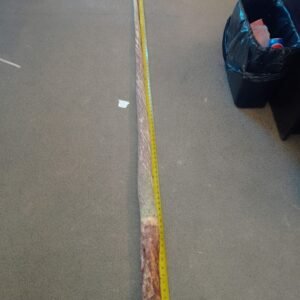
Narwhal Tusk
Narwhal Tusk
All Products
All Products
Walrus Tusk
Narwhal Tusk
Reviews
There are no reviews yet.